
Order Wegovy Online: Compare Best Prices and Get Your Prescription
Wegovy Dosage and Administration
Taking Wegovy is a marathon, not a sprint. You wouldn’t dive into a deep pool without checking the depth first. This medication follows a strict escalation ladder so your body can adjust to semaglutide without feeling like you’ve been hit by a freight train.
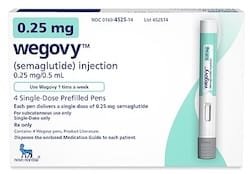
The journey usually starts with a low dose, typically 0.25 mg once a week. This initial phase isn’t about seeing immediate, massive weight loss. It is more of a “getting to know you” period for your digestive system. This helps minimize the side effects that often make people want to quit too early.
Once your body finds its groove, your doctor will slowly turn the dial. You will likely move through 0.5 mg, 1.0 mg, and 1.7 mg increments. Each step is a calculated move to ensure your metabolism isn’t caught off guard. It is a balance between achieving clinical results and staying physically comfortable.
Consistency is everything. Missing a dose can feel like losing momentum on a bicycle; you have to work twice as hard to get that speed back. If you forget a shot, the rules of engagement depend on how much time has passed since your last injection.
The Weekly Schedule and Injection Technique
Timing matters when you manage a weekly regimen. Most people find that picking a specific “injection day”—like every Sunday morning—helps turn the habit into second nature. It is much easier to stay on track when the task becomes a predictable part of your weekly ritual, like watering the plants.
Administration involves a subcutaneous injection. This means the needle goes into the fatty tissue just beneath your skin. You have three main options for where to aim: the abdomen, the thigh, or the back of the upper arm. Many find the abdomen to be the easiest target for self-injection.
Don’t let the pen intimidate you. These modern delivery devices are designed to be as user-friendly as a ballpoint pen. You simply click, dose, and hold. It is a quick, clinical moment that shouldn’t take up more than a minute of your afternoon. Precision is vital to ensure you aren’t wasting expensive medication.
If you experience significant nausea, switching injection sites each week can sometimes help. It is like changing your walking path to keep things fresh. Rotating sites prevents skin irritation and can mitigate localized discomfort. Listen to your body; it is the best compass you have during this transition.
Managing Expectations and Costs
Let’s talk turkey about the financial side. Wegovy is a premium tool with a premium price tag. Depending on your insurance and where you live, you might face a monthly bill that feels steep. It is a significant investment in your long-term health.
The cost of a single month’s supply varies wildly. On average, patients without optimal insurance coverage might see prices hovering around $1,200 to $1,500 per month. It is a heavy lift for many budgets. It is worth sitting down with your provider to see if manufacturer assistance programs can help lighten the load.
To give you a clearer picture of the potential financial commitment, consider this breakdown of typical monthly scenarios:
| Coverage Scenario | Estimated Monthly Cost | Typical Out-of-Pocket |
| Full Insurance Coverage | $25 – $50 | Co-pay only |
| Partial Coverage | $300 – $600 | Co-insurance/Deductible |
| No Insurance Coverage | $1,300+ | Full retail price |
Keep in mind these numbers are mere estimates. The actual math depends on your specific plan’s deductible and your pharmacy’s contract. Always call your insurance provider before your first dose. Knowing the numbers upfront prevents “sticker shock” when you walk up to the pharmacy counter.
Wegovy Cost and Pricing in the United States
Navigating the financial side of weight management medications can feel like walking through thick molasses. It is rarely a straightforward path. You might expect a simple transaction, only to find a complex web of deductibles, co-insurance, and prior authorizations that seem designed to baffle people.
The reality is that Wegovy isn’t a budget-friendly commodity like a gallon of milk. It is a specialized, high-demand pharmaceutical. Because demand for GLP-1 medications has skyrocketed, market dynamics have shifted. The price you see on a sticker might not be the actual number you pay at the register.
Understanding the variables is your best defense against surprises. Many patients find that out-of-pocket costs fluctuate depending on which pharmacy they use or whether they use a specialty pharmacy. It is a moving target, and staying informed is the only way to keep your budget from taking a sudden hit.
Factors Influencing Your Total Expense
First, consider your insurance plan’s specific “formulary.” Not every plan treats Wegovy the same way. Some insurers view it as a necessary medical treatment, while others categorize it under weight management, which often has much stricter limitations. It is the difference between a clear runway and a bumpy dirt road.
Your deductible plays a massive role in the “sticker shock” phenomenon. If you haven’t met your annual deductible yet, you might be paying the full retail price for several months. Once that threshold is crossed, the landscape shifts and costs might drop significantly. It is a waiting game that requires patience.
Pharmacy choice is another hidden variable. Some big-box retail pharmacies might have different negotiated rates than your local independent shop or a mail-order service. It is often worth playing “price detective” and calling a few different places to see where the needle moves most favorably for your wallet.
Don’t overlook manufacturer assistance. Many pharmaceutical companies offer savings cards that can act as a financial life raft for those who find the retail price out of reach. These programs can sometimes bridge the gap between what insurance covers and what you can actually afford to pay each month.
The following table provides a snapshot of how different coverage levels might impact your monthly spending:
| Coverage Type | Estimated Monthly Cost | Primary Cost Driver |
| Comprehensive Coverage | $25 – $75 | Fixed co-pay |
| Limited/Tiered Coverage | $300 – $600 | Co-insurance & deductible |
| Self-Pay (No Insurance) | $1,300+ | Full retail pricing |
| Manufacturer Savings Plan | $250 – $500 | Discounted retail rate |
Navigating the Insurance Maze
If you find yourself stuck in a loop of denials, don’t throw in the towel just yet. Often, a “Prior Authorization” (PA) is the gatekeeper standing between you and your medication. Your doctor’s office will need to provide documentation showing that you have attempted other lifestyle changes or weight loss methods in the past.
Think of the PA process as a legal brief for your health. The more evidence your healthcare provider can submit regarding medical necessity, the better your chances of success. It can be a tedious dance of paperwork, but it is often the single most effective way to bring those monthly costs down to a manageable level.
It is also worth checking if your employer offers a specific wellness benefit. Some modern health plans have carved out special resources for weight management that operate outside of traditional medical coverage. These “lifestyle” benefits can sometimes bypass the usual hurdles and provide a much smoother experience for employees.
Finally, always keep a folder of your “Explanation of Benefits” (EOB) statements. When you are dealing with high-cost prescriptions, mistakes happen. Keeping a paper trail ensures that if you are overcharged or if a claim is processed incorrectly, you have the ammunition needed to set the record straight.